Admissify Logo
GERMANY banner

Your Gateway to Excellence

Study in GERMANY
GERMANY flag

Discover world-class education opportunities and transform your future

Country Code: GER
Currency: EUR ()

Key Facts & Highlights

Essential information about GERMANY

World-Ranked Universities

50+ Globally Recognized

Course Duration

UG: 3-4 yrs | PG: 2 yrs

Tuition Fees

Mostly free (public) – €200–500 / Sem admin fees

Work Rights

20 hrs/week during studies

Post-Study Work

18 months -2 yrs

Intakes

March & September

Today, Germany is one of the preferred study abroad destinations for Indian students and others from across the globe. In fact, it is one of the superpowers, ready to take on the world. So, let us unearth the reasons why study in Germany is worth it. 

  • First and foremost, one of the biggest advantages of studying in Germany is zero tuition fees. Amazingly, less than 10% of Germany’s universities are private. 

  • The Student Visa for Germany has lots of advantages. You do not have to pay anything for it, and the initial one is valid for 3 months. You must extend it to a residence permit to stay up to 2 years.

  • After one receives the residence permit, it is possible to travel to all Schengen countries. 

  • Rent is often one of the biggest expenses for studying abroad, but in Germany, you can share the space with others to reduce the cost. 

  • You will be able to choose from over 1,000 courses in Germany. The levels include bachelor’s, master’s, doctorate, language courses, online courses, preparatory courses, and so on. 

  • The country’s universities always rank in the top 20 in Europe and top 100 globally. 

  • Although learning German can be a boon later, you can also lay your hands on English-taught courses. 

  • The unique culture will give students from across the globe a different exposure through festivals and special events. 

So, these are reasons enough to choose Germany for education. 


Under the education system in Germany, there are four levels: early education, primary education, secondary education, and tertiary education. 

Let us understand the same down here. 

Level of Education

Description

Early Education

For ages 3-6 years, focus on socialisation, cognitive development, and language skills

Primary Education

For ages 6-10 years, focus on building an academic base, encouraging critical thinking, and developing social and emotional skills

Secondary Education

There are three pathways – Hauptschule, Realschule, and  Gymnasium, which focus on trade skills, emphasise different subject knowledge and languages

Tertiary Education

Universities, colleges and technical institutes come under this category

So, now you have a fair idea of the education system in Germany. To know in more detail, you can connect with a study abroad consultant. 


Germany happens to be one of the most affordable places for international students. With most universities offering courses with zero tuition fees, you can make a living there as a student at minimal cost. However, you must choose the university and city of residence carefully, keeping transportation costs in mind. So, here are the top cities for international students in Germany. 

  • Munich

  • Berlin

  • Aachen

  • Frankfurt

  • Dresden 

  • Leipzig 

  • Stuttgart

  • Hamburg

  • Freiburg

  • Cologne 

The cheapest cities among the above are Aachen, Leipzig, and Dresden. If you want real-time information about the best places to stay in Germany for students, get in touch with a student community. 


Before you head to study in Germany, it is important to shortlist a few universities based on your course choice. 

Let us find out the top universities and colleges, offering the most in–demand courses and specialisations. 

Top Universities

Courses Offered

TUM, RWTH Aachen, KIT, TU Berlin, TU Dresden

Engineering & Technology

TUM, TU Darmstadt, RWTH Aachen, LMU Munich

Computer Science and IT

Mannheim, WHU, Frankfurt School, ESMT, TUM

Business Management

Heidelberg, LMU, Max Planck Institutes, Göttingen

Natural Life Sciences

RWTH, TUM, TU Berlin, Freiburg

Environmental & Renewable Energy

Humboldt, Heidelberg, Mannheim

Law, Public Policy & Economics

If you want more information on the universities and related courses, then you can connect with Admissify

The application process to study in Germany depends on your chosen stream and the university. There are a number of aspects that you must keep note of. They are:

  • Application Deadline

German universities have very tight deadlines. For the winter semester, deadlines range from May to mid-July. For the summer semester, it is between December to mid-January. However, these may vary from time to time. You have to be proactive and keep these in mind. 

  • Documentation 

You also need to keep a tab on the documentation while applying to German universities. The most commonly asked documents include academic transcripts, pa assport copy, language proficiency score cards, SOPs, LORs, and an updated resume. 

  • Financial Proof 

International students have to produce bank statements for verification to prove that they have the necessary finances to support their stay in Germany. A blocked account may be one of the requirements here. So, check with a study abroad consultant for the right information. 

  • Application Process

You can apply through the Uni-assist centralised application system. It is responsible for verifying the profiles of international students for German colleges and universities. However, some universities prefer to manage their applications on their own. So, get the right information and enrol in a course of your choice. After you are enrolled, you can start with a visa application. 

For more up-to-date information, you must consult a renowned and experienced consultant, like Admissify. 

To study in Germany, you not only need merit, but finances as well. Although many of the public universities offer courses at zero tuition fee, there are living costs to handle. The government of Germany, private organisations, and some of the top universities have scholarships for international students. Let us find out about them. 

Scholarship Name

Coverage 

DAAD Scholarships

Monthly stipend of 992 Euros and annual study allowance of 460 Euros for graduates, plus 1,400 Euros for doctoral candidates and travel and health insurance.

Erasmus+ Program

Full scholarship including living, visa and travel costs

Einstein International Postdoctoral Fellowship

Coverage of 20,000 Euros per year

Mawista Scholarship

Varies 

RWTH Aachen University – Doctoral 

1,356 Euros per month 

University of Hamburg

Up to 992 Euros per month.


Cost of Studying in Germany

Although studying in Germany is more cost-effective than studying elsewhere in Europe, recent changes have made it expensive. Students must maintain at least 11,904 Euros in a blocked account. Let us find out the tuition fees here. 

University

Degree Level

Annual Fee

Public

Bachelor’s/Master’s

300 – 800 Euros

Public (Baden-Württemberg)

Int. Bachelor/Master

3,000 Euros

Private

Bachelor’s

10,000 – 15000 Euros

Private - MBA

MBA

20,000 - 40,000 Euros

Although public universities are tuition cost-free, you need to pay semester fees. Let us look at the cost related to semester fees at the top universities. 

University Name

Semester Fee

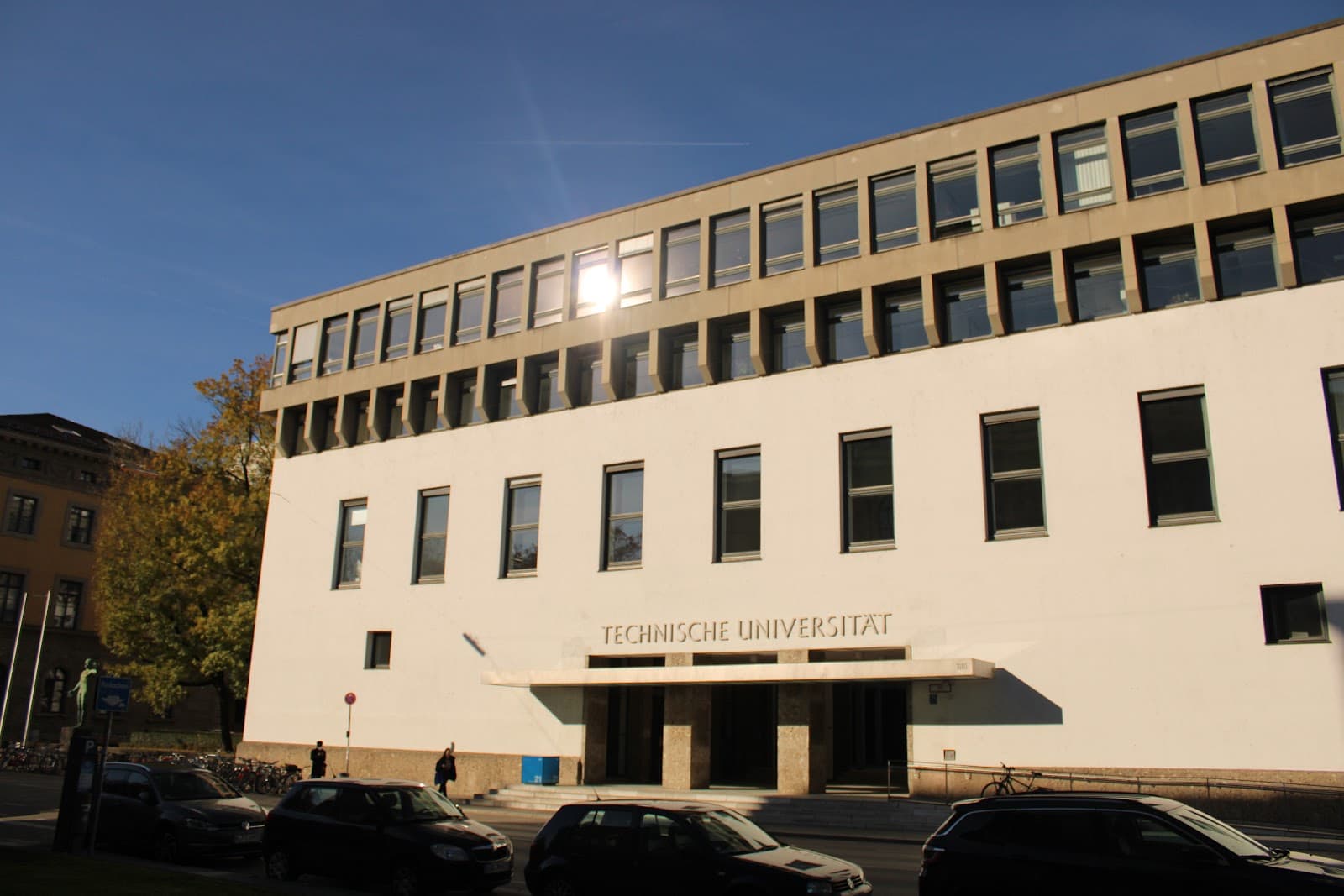
Technical University of Munich

4,000- 12,000 Euros, depending on level, per year

Ludwig Maximilian University

170 Euros per year

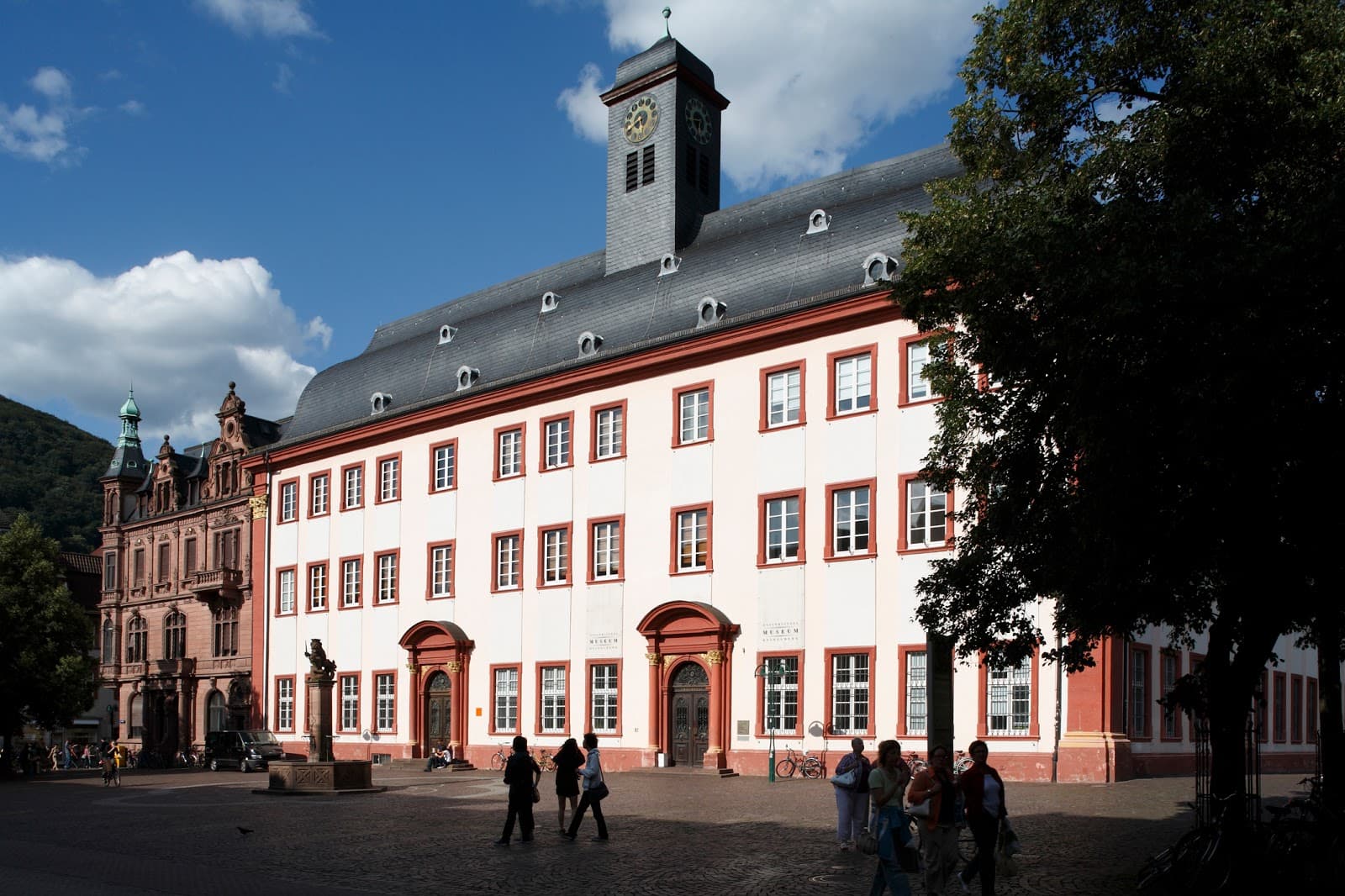
Heidelberg University

3,000 Euros per year, depending on level + 342 Euros per year

Free University of Berlin

718 Euros per year

Additionally, there are some costs like:

  • APS Certificate – 172 Euros

  • Tests (IELTS/GRE) – 160-200 Euros 

  • Application Fees – 45-130 Euros

  • Visa Fee – 75 Euros

  • Travel Insurance – 25-50 Euros

  • One-way Flight – 330-570 Euros 

Keep all this in mind while planning to study in Germany. 


Cost of Living In Germany

The cost of living is also a substantial amount that you must keep handy. Here is what you must know. 

Cost Head

Approx. Amount

Rent and Utilities

350-700 Euros

Food and Groceries

150-250 Euros

Internet & Mobile

30-50 Euros 

Health Insurance

110-130 Euros

Total 

690-1,200 Euros


As international students, you must choose a safe accommodation. Here are a few options, with costs. Make sure to rent a place after talking to seniors. They can give you correct information about the areas and transportation available. 

For now, here is the option and cost. 

Type Of Accommodation

Cost

Student residences

250 Euros per month

Shared Flats 

430 Euros per month 

Private Flat 1BHK

750 -1,300 Euros per month

3BHK 

1,200-2000 Euros per month 

Choose an accommodation after carefully considering the safety aspect and political undercurrents, if any. 

Germany provides excellent visa support and post-study work opportunities, making it a top choice for international students seeking global career growth.

Aspect Details
Student Visa Apply after receiving your German university admission letter. Proof of funds (blocked account) and health insurance are required.
Work While Studying International students can work 120 full days or 240 half days per year.
Post-Study Work Visa Graduates can stay up to 18 months in Germany to search for a job related to their field.
Long-Term Opportunities After securing a qualified job, you can apply for an EU Blue Card or residence permit.
Permanent Residency Possible after a few years of working and meeting eligibility criteria.

Still have questions?

Our counselors are here to help

Top Universities

Explore world-class institutions

Technical University of Munich
Ranking
29
Type
Public
Courses
62
Scholarships
63
Know More
Ludwig-Maximilians-University (LMU) Munich
Ranking
44
Type
Public
Courses
38
Scholarships
54
Know More
Heidelberg University

Heidelberg University

Heidelberg, Germany

Ranking
57
Type
Public
Courses
45
Scholarships
54
Know More
University of Bonn

University of Bonn

Bonn, Germany

Ranking
113
Type
Public
Courses
28
Scholarships
54
Know More
RWTH Aachen University

RWTH Aachen University

Aachen, Germany

Ranking
118
Type
Public
Courses
27
Scholarships
55
Know More
University of Freiburg

University of Freiburg

Freiburg, Germany

Ranking
137
Type
Public
Courses
31
Scholarships
54
Know More

Latest Blogs on Study in GERMANY

Stay updated with the latest news and guides about studying in GERMANY

View all blogs
German Language Proficiency Test 2026
February 25, 2026

German Language Proficiency Test 2026

Those students who want to study abroad Germany will find this guide useful. Language requirements assume a lot of importance when you are vying for a seat at a foreign university. Germany is one of the nations which has been seeing a steady influx of students from across the globe. Although English-taught courses are common at German universities, if you are going for special courses, the language helps.  In this blog, we will highlight the features surrounding the German Language Proficiency Test. Know about the requirements, levels of study, certifications, prep and more for international students.  Language Proficiency In German Higher Education If you are a study abroad in Germany aspirant, then you may already know about the various English-taught and German-taught courses there. The choice of university is particularly important here. Certain courses are again offered in a particular language. In German universities, the factors determining language proficiency are: Those students who have attended some courses in a foreign language will also be considered on the basis of proficiency in the same.  What Are The German Language Requirements For The Different Levels Of Study In Germany? You will be able to access a wide range of courses at various levels in Germany. Let us find out the German language proficiency, based on that.  What Are The Recognized German Language Certificates For University Admission? Thus, if you are planning to head to Germany to pursue a course, know about the various options available.  What Are The Recognized English Language Certificates For University Admission In Germany? Amazingly, Germany’s universities offer a wide range of English-taught courses. The recognised tests to prove the same are: What Are The General German Language Proficiency Test Levels According To CEFR?  The accepted German Language Proficiency Test levels according to CEFR are: For most university admissions, you need a German language certificate that is equivalent to the B2 level. At the graduate level, some of the institutions require C1. At the higher levels, like Doctorate, C2 is desirable.  Meeting the German language exam requirement is just one part of the application. You need to meet other requirements as well. Check with a renowned study abroad consultant for the same.  How To Prepare For A German Language Test? Students who are looking for information on the German Language Proficiency Test, must note that there are different skill sets required for different tests. Moreover, you need to have skills across reading, writing, listening, and speaking. Here are a few helpful tips to get you started.  If you want more clarity on the German Language Proficiency, connect with a study abroad counsellor.  German Language Test Costs And Registration Process Knowing the cost of the courses and registration makes things easier. So, let us delve right in.  You must do the registration online for most of the above.  Make sure to stay up-to-date with the dates and timelines.  What Is The Validity of the German Language Proficiency Test? You should ensure that the German language proficiency test certificates in place. It may be required at various stages throughout your study abroad journey.  What Happens If You Don’t Meet the Required Language Level? There are various aspects surrounding the German Language Proficiency Test. And one is, the path you need to take, if you can’t take or pass an examination.  Conclusion So, now you have a fair idea of the German Language Proficiency Test. Make sure to stay abreast of the norms governing various institutions. It is always a better option to ask for assistance from an advisor in the educational field, like Admissify. You can avail complete information on the universities, German language requirements and more. You will be able to connect with Admissify any time, through any mode of communication.  FAQs
Read Article
Winter Intake In Germany 2026
January 19, 2026

Winter Intake In Germany 2026

For students planning to study in Germany, the timelines and deadlines assume a lot of importance. Many students from across the globe, like those from India, lose a year because of incomplete information. One wrong move can delay your dream to study in one of the best study abroad destinations by a year or so. When you are well-informed, you can start preparation in time, apart from arranging travel and accommodation.  In this blog, you get to know about the winter intake in Germany. It also happens to be the most important one. Let us unearth the top universities, courses, eligibility, dates and more, to avoid last-minute hassles.  Highlights of The Winter Intake In Germany  Starting Month October Main Focus This intake offers a wide range of courses across bachelor’s, master’s, and doctorate levels Competition It is high Application Deadline Universities close application by May and July  Preparation Strategy Universities close their applications by May and July  The Summer And Winter Intake In Germany Decoded  So, Germany has two main intakes, the summer and winter intakes. And the latter happens to be the most important one. Many countries have more intakes, but that’s about it for Germany. This is a boon for study abroad aspirants, as confusion is less. The universities in the country are around 400 in number, but not every university offers the same courses in the same intakes. Thus, you need to choose the right intake in Germany to realise your dreams of studying a particular subject or course.  Important Dates And Application Deadlines Germany 2026 Those students who are eager to enrol in any of the courses offered in the German winter semester must keep the dates and timelines mentioned below in mind.  Task Timeline/ Deadline Application Deadline  November 2025 – February 2026 Application Opening  October – November 2025 Application Closing December 2025 – March 2026 Classes Starts Late August – Early September 2026 First Semester Ends December 2026 If you want more in-depth information and tracking assistance of dates, then it is best to work with a study abroad consultant.  Top Reasons To Choose The Winter Intake In Germany So, now you know why there is such a huge rush for admissions in the winter cycle.  Winter Vs Summer Intake – Which One Should You Choose? For Indian students, looking forward to accomplishing their dreams in Germany, preparations are a must. You should be well-informed and vigilant, too. Here are a few factors which you must consider before selecting the German winter intake over the summer one.  Factor Winter Intake In Germany Summer Intake In Germany Course Availability It offers many different courses and specialisations Numerous scholarships are on offer Application Numbers Very stiff competition due to a huge number of applicants Less competition Scholarships Fewer opportunities and an academic cycle-job cycle mismatch Fewer scholarships on offer Jobs and Internships This intake aligns with academic cycles and offers more opportunities  Fewer opportunities and academic cycle-job cycle mismatch Ideal For Students completing the qualifying examination within June-July Ideal for those who missed the winter deadline or need more time to prepare Benefits Larger classes, more interaction, better networking opportunities Small classes, less vibrant campus So, now you have a fair idea of both intakes in Germany. The winter intake in Germany remains the most coveted intake for international students from India.  You must keep the above in mind while preparing for enrolments to any of the top universities in Germany.  How To Prepare Yourself For The Winter Intake? You must strategically start preparing for the enrolment in courses offered in the winter cycle. Let us take a look at the timelines.  If you feel that you need assistance and hand-holding through this process, connect with an educational advisor.  Common Mistakes To Avoid While Choosing Courses For Winter Intake  How Admissify Can Help At Admissify, students aiming for a German education get end-to-end assistance. We are always committed to giving personalised services to our students. From helping you research universities to giving you complete information on specialisations, we are complete taskmasters. We help you to secure admission to the top universities in Germany, and also settle down for the duration of your studies there. You get to become a part of the alumni network, thereby getting some support in a foreign land. The winter intake in Germany is a crucial one, so proper assistance and planning are important for success. Call us today! Conclusion  Those students who are looking for admission in the winter intake in Germany need to plan well in advance. It is a highly competitive admission cycle, which many students from different nationalities aim for. Prior information helps one plan properly and compile all the documents for submission. Indian students must consider all sides of German education before choosing a university, according to the desired cycle.  FAQs
Read Article
Education System In Germany For Indian Students
January 10, 2026

Education System In Germany For Indian Students

The quality of the education system in Germany is on par with that of the US, Canada, and Australia. The education system is extremely well-organised, and students from all levels of society can access the same. All the German states offer similar education structures for standardisation. And, the best part is that most public schools, colleges, and universities do not charge tuition fees from the students.  In this blog, you will get a detailed overview of the German education system. We will also highlight the organisation of the school system, subjects covered, and grades.  Quick Facts: Germany’s Education System Structure of The Education System In Germany Early Childhood Education  Primary Education  Secondary Education  Tertiary Education  Continuing Education  Early Childhood Education System In Germany  Types Of Centres Description Day Care Centres For children under age of 3 years, of working parents Crèches For children from the age 3 years upwards Kindergarten For children from the age of 3 years upwards Primary School Support Classes For children who have developmental disabilities Primary Education System In Germany  Grade Child’s Age 1 6 2 7 3 8 4 9 5 10 *** 6 11*** *** For children of Berlin and Brandenburg Curriculum At Primary Schools In Germany Decoded  Students are required to choose between two primary school education systems in Germany.  Secondary  Education System In Germany  Lower Secondary  Upper Secondary  Specialisation Areas and Subjects At Secondary Level  Specialisation Areas Subjects Languages, Literature, And Arts German, Foreign Languages, Fine Art, Music Mathematics, Natural Sciences, And Technology Mathematics, Physics, Chemistry, Biology, Information Technology Social Sciences History, Geography, Philosophy, Social Studies/Politics, Economics In the case of Vocational schools, the subjects on offer are: If you are more eager to explore these areas, outside of the normal educational sphere, then you can connect with a study abroad consultant in Germany.  Tertiary Education In Germany  This is mostly post-secondary education, aimed at locals and international students. The courses offered by the universities and colleges are highly academic-based, research-based, and work-based. You can pursue Bachelor’s, Master’s, and a doctorate.  In 2024, there were 428 globally-recognised institutions in Germany offering tertiary education. Here is a list of tertiary education centres.  Continuing Education  It is a part of lifelong education for professionals. This aims at skilling and re-skilling according to the changing dynamics of the work sphere. You can choose from a wide range of formal and non-formal courses here. Here are a few examples: So, now you have a good idea of the general education system in Germany. Whether you are looking for bachelor’s, master’s or doctorate programs in Germany, this will be useful to you. You can also work alongside a study abroad advisor, who can give you details regarding the admission process and eligibility for specific colleges and courses.  How Admissify Can Help Admissify is your one-stop educational services provider in the study abroad sphere. We have a panel of experts spread across the globe, in destinations with a large percentage of International students. You can rely on us for college and university selection, course selection, preparation for entrance tests and language proficiency tests, and scholarship applications. We also assist students with visa applications. Right from arranging your travel to searching for accommodation, after you reach a foreign place, you can bank on us. Just like the education system in Germany, we can also provide you with knowledge about the education systems of other countries.  Conclusion  Planning to study in Germany is one of the best decisions you can make as a student. With prior knowledge about the education system in Germany, things become a lot easier. You can judge yourself if you meet the criteria based on the equivalent educational structure in your country. Strategic planning for your career path is also necessary for the desired results. If you want more clarity on chalking out a lucrative career path for yourself, get in touch with an educational advisor.  FAQs
Read Article
Intakes in Germany 2026: Winter and Summer Intakes
January 6, 2026

Intakes in Germany 2026: Winter and Summer Intakes

Today, Germany is one of the top study abroad destinations. And why not? It is a world-class destination, has recognised academies, and offers a culturally rich experience. Germany attracts a large number of international students every year, due to its friendly policies and visa regulations. If you are aiming for a course in Germany, you should be abreast of the intakes in Germany. Knowing about the same, helps in preparations early on.  Getting admission to some of the top universities can be competitive. And more so, for scholarships. So, if you are well aware of the timelines and deadlines for application, things get easy.  In this guide, we will walk you through the intakes for studying in Germany. So, let us get started.  Intakes In Germany For Indian Students Germany has fewer intakes, as compared to other countries. However, the intakes are organised. The main ones are: The winter intake Germany happens to be the most popular one.  Additionally, many academies and colleges offer admission in June and January, too. You must work closely with a study abroad consultant to keep track of intakes.  So, let us further learn about the German winter intake.  Winter Intake in Germany For International Students  Important Details  Key Dates With Application Deadlines For Winter Intake Germany 2026  Description Deadlines Application Deadline November 2026 – February 2027 Application Opens October – November 2026 Application Closes December 2026 – March 2027 Classes Start Late August – Early September 2026 Benefits of Winter Intake in Germany Summer Intake in Germany For Indian Students Important Details Key Dates With Application Deadlines For Germany Summer Intake 2026  Description Deadlines Application Deadline November 2026 – January 2026 Application Opens October – November 2026 Application Closes December 2026 – January 2026 Classes Start March – April 2026 Benefits Of Summer Intake  How To Prepare For Winter Intakes in Germany? You must be strategic in your approach while keeping track of the timelines and deadlines. It is best to work with a study abroad consultant to stay ahead of the herd.  Let us look at the timeline chart underneath.  Timeline Task For The Student October – November 2026 Research universities and colleges, start compiling documents, SOPs, LORs, and update resumes November 2026 – February 2027 Receive approval, finalise choice of university, and apply for scholarships March – May 2027 Apply for a German visa, arrange blocked bank account, flight tickets, and accommodation May – July 2027 Apply for a German visa, arrange a blocked bank account, flight tickets, and accommodation August – Early September 2027 Travel to Germany and attend the counselling sessions  For more clarity, you must talk to Admissify, the best in the business of study abroad consulting.  How To Prepare For Summer Intakes in Germany? While keeping in mind the deadlines for summer intake in Germany, it is a good idea to go through the following chart.  Timeline Task For The Student October – November 2026 Shortlist universities and courses, prepare document for submission November 2026 – January2027 Submit applications, take language proficiency tests February 2027 Receive approvals, arrange scholarships and funding February – March 2027 Apply for visa, book flight tickets and accommodation March – April 2027 Travel to Germany, complete orientation and start classes  Admission Requirements For German Universities You must furnish the following documents after you have found out the German intake. Get in touch with a study abroad consultant to navigate the admission process after compiling all of the above.  Application Tips For Different Intakes In Germany 2026 Read also: Top 15 Scholarships in Germany for Indian Students How Can Admissify Help At Admissify, we understand what each student’s requirements are. We offer personalised career/ growth paths for every individual interested in studying in Germany. From getting you information about the top universities and colleges, to specialisations on offer, we have all the information that one desires. You will also get updated information on German university intakes. Apart from helping you secure admission to the top German universities, we will also assist you with visa applications and scholarships. So, why delay? Call or email us now! Conclusion  Choosing the right intakes in Germany is extremely crucial. The prior information about them can make or break your educational plans abroad. The winter intake in Germany remains one of the popular ones. However, the spring intake in Germany also has its following. The latter acts as a backup, in case you miss out on the winter intake. If you know about the intakes ahead of time, you can prepare for the application, entrance tests, and language proficiency tests and take them as well. A planned approach towards study abroad in Germany often leads to a smooth academic start.  FAQs
Read Article
List of Tuition Free Universities in Germany 2026
September 5, 2025

List of Tuition Free Universities in Germany 2026

Every Indian student who dreams of studying abroad wishes to do so without having to burn a hole in their family’s savings. Well, the good news is that countries like Germany make that dream possible. Public universities in Germany charge little to no tuition fees, and often there’s just a small semester contribution of about €250-€350, which covers transportation and campus services. Because of this affordable education system in place, Germany often bags the title of being a global hub for affordable yet quality education. To add to the proof, many tuition free German universities actually consistently feature in the top 100 global rankings. This makes German universities highly attractive for Indian aspirants planning to study abroad Germany. Therefore, in this blog, we’ll cover everything about tuition-free universities in Germany: from top institutions, eligibility criteria, application process, living costs to scholarships, and more. Stay tuned till the end! Interesting Facts About Tuition Free Universities in Germany Why Consider Tuition-Free Universities in Germany? So, why should you seriously consider tuition-free German Universities? Here are some reasons: Note: Even though tuition is free, living costs are still something to budget for. That’s something we have tabulated as well for the convenience of those who wish to study in Germany for Indian students. Eligibility Criteria for Indian Students To study at tuition free German Universities, Indian students usually need to: Eligibility Criteria Details for Indian Students Academic Background Minimum 12 years of schooling with good grades For Master’s Programs Recognised bachelor’s degree from India or abroad Language Proficiency Proof of English (IELTS/TOEFL) or German (TestDaF/DSH) as per program Financial Proof €11,208 per year in a blocked account Documents Valid passport + student visa application Top Tuition Free Universities in Germany (2026) Following are some of the top tuition-free universities in Germany: University Location QS World Ranking 2026 Popular Courses Technical University of Munich (TUM) Munich 37 Engineering, Computer Science, Management Ludwig Maximilian University (LMU) Munich 59 Medicine, Humanities, Law Heidelberg University Heidelberg 87 Medicine, Life Sciences, Philosophy Humboldt University of Berlin Berlin 128 Arts, History, Political Science Free University of Berlin Berlin 118 Social Sciences, Literature, Economics RWTH Aachen University Aachen 106 Mechanical Engineering, Natural Sciences University of Hamburg Hamburg 192 Physics, Business, Law University of Stuttgart Stuttgart 312 Automotive, Aerospace, Engineering University of Cologne Cologne 268 Economics, Social Sciences, Arts University of Bonn Bonn 201 Mathematics, Natural Sciences, Philosophy Tip: You need to research each university’s program thoroughly because although some Master’s courses are in English, most undergraduate programs require German. Popular English-Taught Programs in Tuition Free German Universities Program Type Number of Programs Popular Universities Duration Engineering 400+ TUM, RWTH Aachen, Stuttgart 3–4 years Computer Science 200+ TUM, LMU, Heidelberg 3–4 years Management/Business 150+ TUM, LMU, University of Cologne 2–3 years Humanities & Arts 300+ Humboldt, Free University Berlin 3–4 years Life Sciences 250+ Heidelberg, LMU 3–4 years Semester Fee vs Benefits Semester Fee (€) What It Covers Universities Example 100–150 Admin, student services University of Bremen, Cologne 200–250 Admin, campus facilities, transport RWTH Aachen, Stuttgart 250–350 Admin, transport, student activities TUM, LMU Cost of Living in Germany While tuition is free, living costs still matter. On average, students spend: Expense Avg Monthly Cost (€) Accommodation 350–600 Food 200–250 Transportation 80–100 Health Insurance 110–120 Miscellaneous 150 Living Cost Breakdown by City Note: Expect €850–€1,000 per month depending on city and lifestyle. City Accommodation (€) Food (€) Transport (€) Monthly Total (€) Munich 500–600 250 100 850–950 Berlin 400–550 220 80 800–900 Heidelberg 450–550 220 90 850–900 Cologne 400–500 200 90 750–850 Stuttgart 450–550 230 100 850–950 Comparing Germany with Other Countries Random Fact: Interestingly, many Indian students choose Germany primarily for the combination of quality + affordability. Country Tuition Fees Living Cost Work Opportunities Post-Study Visa Germany €0 €850–1,000 Allowed (part-time & internships) 18 months job-seeking visa USA $20k–40k $1,200–1,800 Limited on an F1 visa OPT 12 months / STEM 36 months UK £12k–25k £1,000–1,500 Limited part-time work Graduate route 2 years Canada CAD 15–30k CAD 1,000–1,500 Part-time allowed PGWP 1–3 years Application Process To Get Enrolled in a Tuition Free University in Germany Insider tip: Applying early gives you more time for visa processing and housing arrangements. Scholarships in Germany for Indian Students Even with free tuition, scholarships help cover living expenses or provide extra support. Scholarship Target Group / Focus Area Benefits DAAD Scholarships Master’s, PhD, postgrad Stipend, travel, health insurance Deutschlandstipendium High-achieving students €300/month + mentoring Erasmus+ / Erasmus Mundus EU international programs Tuition waiver + stipend Heinrich Boll Foundation Socially active students Stipend, mentoring, language courses Konrad Adenauer Stiftung Politically/socially active students Full funding + career mentoring Avicenna Studienwerk Talented Muslim students Stipend, academic & cultural support Studienstiftung des deutschen Volkes Academic excellence Funding, workshops, networking Benefits of Tuition Free Universities Challenges By following this guide, Indian students can plan their journey to tuition free universities in Germany efficiently, combining quality education, career opportunities, and financial savings. FAQs
Read Article
Top Private Universities in Germany 2026
September 2, 2025

Top Private Universities in Germany 2026

The German public education system has long been heralded for its academic excellence – a notable success that now extends to private universities in Germany as well. As recent reports suggest, more and more international students wishing to study in Germany (372,887 in 2023/2024 ~ 13%) are gravitating towards these top private institutions. Deviating away from the norm of “tuition-free” education, these German universities have some of the most innovative curricula, strong industry ties and a global perception towards jobs. So, given this growing trend, we bring you a comprehensive guide exploring all of the best private universities in Germany. Through this article, we also like to offer insights into tuition fees, course offerings, the cost advantage versus the United States and the United Kingdom, and why they might be absolutely worth the investment.  Key Expected Takeaways For Readers:  Why are German Private Universities Getting Popular?  As we have researched and found out, according to HRK Hochschulkompass, most private universities in Germany enrol fewer than 5000 students, compared to 20,000 to 40,000 at public universities. The impact? This allows for smaller class sizes and a more personalized learning. Case in point, universities such as Frankfurt School of Finance and Management, and Constructor University, both of which prioritise career-focused education through internships and corporate partnerships.  Private institutions offer more English-taught programs, as confirmed by the DAAD international program database. Comparing this fact to its counterparts, it is no wonder that private universities are starting to become ever so popular amongst international students. The diversity on campus is also significant. Constructor University, as mentioned above, hosts students from over 120 countries. The same goes for IU International University, which has grown to over 100,000 students.  Finally, we note flexibility as another added advantage.  SRH Berlin, IU International and Munich Business School accept rolling applications and provide scholarships. All of this helps ease the admission process.  We have summarized the key points of why to choose private universities in Germany in this bulleted list format:  Smaller Class Sizes  Career-Oriented Programs English-taught programs  International Exposure  Flexible Admissions  Top Private Universities in Germany (Updated for 2026)  If you have scrolled to this part of the article, well then, congratulations! We are in the best part. Here we will discuss the top private universities in Germany, with particular emphasis on the “why”, the tuition fees and the deadlines for the September 2026 intake.  Frankfurt School of Finance and Management  In our research of the top private universities in Germany, Frankfurt School of Finance and Management stood as an excellent addition. Located in Frankfurt, often cited as Europe’s financial hub, the university offers a wide range of undergraduate, postgraduate and MBA programs. All designed for students who are aiming to build their careers in banking, finance, data analytics, and management. For international students, especially those from India, the Frankfurt school offers programs entirely in English.  We also found that the university maintains strong partnerships with global banks, consulting firms and multinational corporations. Plus, it is also one of the few German business schools acdcredited by EQUIS, AACSB, and AMBA. The result? This places Frankfurt School of Finance and Management among the world’s elite “Triple Crown” Institutions.  Coming to tuition fees, our research, as per the latest data, suggests that the program fees for master’s programs range from 25 to 31 Lakhs per year. To know more, you can always visit the official admission page. But do hurry, as the application deadline for the September 2026 intake ends on June 20, 2026.  Bard College Berlin  Next up on our list of the top private universities in Germany is the famous Bard College Berlin. Technically a private liberal arts university, the university is known for its interdisciplinary approach – making it a strong choice for students interested in humanities, arts and social sciences. Speaking of approach to learning, we found that Bard College provides small seminar-style classes, in close mentoring from faculty, thereby fostering a highly personalized academic experience.  Research based on student experiences suggests of the presence of a highly international student community, with most coming from outside Germany. The popular choice of program? Humanities, Economics, Politics and Social Thought. The best part? All taught in English. Students also have the option to learn German to enhance cultural integration.  Coming to the fees, our research as per relevant resources suggests that the tuition fees, compared to other top private universities in Germany, range from modest 12 to 18 lakhs. Plus, Bard, as per official sources, also offers partial tuition waivers and need-based scholarships to eligible students.  Application deadline for the 2026 fall intake is May 1, 2026.  Constructor University (Formerly Jacobs University Bremen)  We now come to Constructor University, formerly known as Jacobs University Bremen, and considered widely one of the most international of private universities in Germany. Research-oriented, with strong programs in Computer Science, Data Engineering, International Business Administration, and Engineering, Constructor University is the best fit for students looking for STEM colleges.  Going through the official programs and their curriculum, and speaking to current students, the general consensus is that the university greatly integrates interdisciplinary learning with real-world projects and internships. Plus, not to mention the scholarships and flexible payment options available Tuition fees stand at approximately 18 lakhs. If interested, know that admissions for 2026 are open on a rolling basis. Early applications are recommended for better chances at securing scholarships.  Munich Business School Ah, the great Munich Business School. One of the leading private business schools in the country, located in its prized economic hub. Munich Business School, or MBS for short, emphasizes practical experience with its focused offering, which includes entrepreneurship, innovation, and international business education – all part of bachelors, master’s and MBA programs. And that is not all. The school’s location in Munich, as we mentioned previously, provides excellent networking and career opportunities.  Tuition fees range between 13 to 24 lakhs. Plus, much like Constructor University, admissions at Munich Business School are accepted on a rolling basis. Which means that
Read Article

Frequently Asked Questions

Everything you need to know about studying in GERMANY