
Right to Education Act in India 2026 | RTE Act Explained

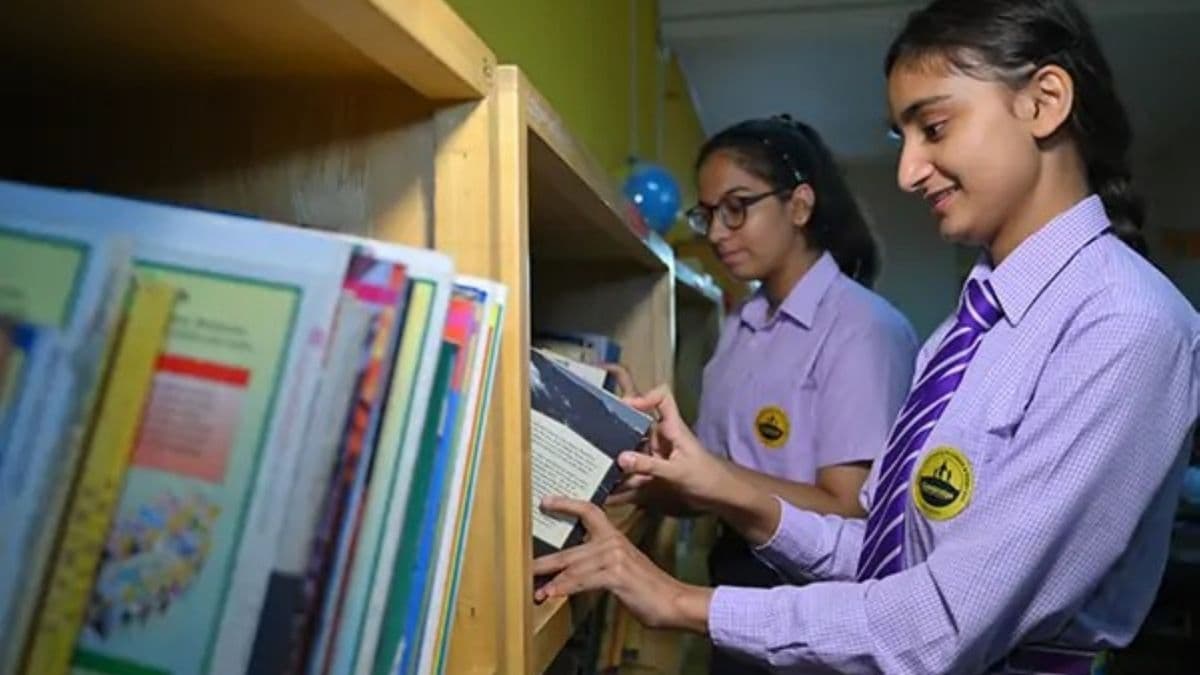
The Constitution (86th Amendment) Act, 2009, inserted Article 21-A, which aims to provide free education for children in the age group of 6-14 years. The act, also called the Right of Children to Free and Compulsory Education Act, ensures that fundamental education is provided to all. The Right to Education Act in India plays an important role in maintaining parity in the educational sphere.
Both government and private institutions work jointly towards the achievement of the goals stated in this act. It mainly aims to increase school-level enrolments, decrease illiteracy amongst the lower rungs of society, and maximise learning.
What is the Right to Education Act in India?
The Right to Education Act (RTE) in India is a law that ensures free and compulsory education for children aged 6 to 14 years. It was enacted in 2009 under Article 21A of the Constitution to provide equal educational opportunities to all children.
Why is the Right to Education Act Important?
The Right to Education Act is important because it ensures equal access to education, reduces illiteracy, and promotes inclusive learning. It also mandates standards for schools, teachers, and infrastructure to improve the quality of education in India.
Key Features of the Right to Education Act
Key features of the Right to Education Act include:
- Free and compulsory education (6–14 years)
- 25% reservation in private schools
- No detention policy till Class 8
- Minimum teacher qualifications
- Infrastructure standards for schools
Main Provisions of the Right to Education Act in India
The Right to Education Act in India focuses on different aspects to ensure that all children receive basic education. The features of the act are as follows.
Free And Compulsory Education
The right to education legal framework assures free and compulsory education for all children aged 6-14 years. This law applies to government schools, state-aided schools, and private schools, as well. The child does not need to pay a fee for the same.
Age-Based Admission And No Detention
The right to education in India directs children to get enrolled in age – appropriate levels according to their age. Moreover, no child will be detailed till Class VIII. This ensures that children do not suffer from any sort of education-related anxiety till the mentioned standard.
Neighborhood Schools
The act has left no stone unturned to ensure that there is a school in the neighborhood with the mandate being 1 km in urban and 3 km in rural settings. This will ensure that children can travel comfortably to the institution to gain the necessary knowledge.
Completely Free Education in India
The act states that no children will pay any fees, whether admission, tuition, or examination for studies till the age of 14 years. The final motto is to increase enrolments at all levels of society.
Minimum Teaching Qualification
The RTE Act 2009 also ensures that minimum teaching qualifications are met by the teaching faculty. The act also lays down mandates to have a proper teacher-student ratio in class. The NCTE lays down all the legal mandates associated with the act.
Continuous And Comprehensive Evaluation
The Right to Education Act in India lays down the framework for continuous and comprehensive evaluation. It includes terminal examinations and assessments regularly, both at academic and non-academic levels. This ensures all-around development for the student.
Existence Of School Management Committee
Several SMCs are formed to ensure that teachers, parents and other non-teaching staff are on the same page. It makes strategic management and financial management easy for all.
Ban On Screening Procedures
The act also stresses a ban on assessments. The government has laid rules to exempt screening for nursery admissions. All pre-primary classes are included in the category as well, to aim for holistic educational development.
Zero Corporal Punishment
A ban on corporal punishment ensures a safe and supportive learning environment for children. Under the Right to Education Act, any form of physical or mental harassment is strictly prohibited in schools. This helps protect students’ dignity, boosts their confidence, and encourages healthy emotional and academic development.
Emphasis On Holistic Education
The Right to Education Act focuses on the overall development of children by balancing academics with co-curricular and life skills. It encourages activities like sports, arts, and critical thinking, ensuring that students grow intellectually, socially, and emotionally, not just academically.
25% Reservation Private School
According to the Right to Education Act in India, 25% of seats have to be reserved for economically weaker sections and disadvantaged groups. The government reimburses the educational expenses of such students.
Minimum Infrastructural Standards
The act stresses a minimum standard for the infrastructure of the schools. The same covers toilet facilities, drinking water facilities, and properly ventilated classrooms and playgrounds.
Want expert guidance on education laws or study options? Connect with our education experts today.
Conclusion
The Right to Education Act in India provides education free of cost from age 6-14 years. It has opened the doors to all-around and inclusive education for all. The best part is the increased number of enrollments since its roll-out. However, like all great things, this one too is not without challenges. The NEP 2020 is a predecessor to the act, aiming to fill in the gaps. You can connect with an educational consultant for more clarity on this.
FAQs
The Right to Education Act is a law in India that provides free and compulsory education to children aged 6 to 14 years under Article 21A of the Constitution.
Yes, private schools are also under the act.
As 25% of seats are reserved for economically weaker sections and disadvantaged groups, such schools get reimbursements from the government.
Yes, it is a fundamental act inserted in Article 21A, through the 86th constitutional amendment act of 2002.
Schools have to adhere to regulations regarding infrastructure, teaching faculty standards and education delivery, otherwise they face fines.

Abhrajita
Abhrajita Mondal is a content writer with over five years of experience in education-focused content. With 10+ years of corporate HR experience, she brings practical insights into career development, learning pathways, and student guidance. She specializes in creating clear, well-researched content on education, career planning, and related topics, helping readers make informed and confident decisions.